Frequently Asked Questions
Q: Do I need a visa to visit Sri Lanka, and how do I apply?
Answer: Most travelers need an Electronic Travel Authorization (ETA) or eVisa prior to arrival. Applications can be submitted online via the official government portal https://eta.gov.lk/slvisa/.
Visas are typically valid for 30 days and can be extended online or at the Department of Immigration in Colombo.
Q: What is the official currency, and can I use foreign credit cards?
Answer: The currency is the Sri Lankan Rupee (LKR). Visa and Mastercard are widely accepted in major hotels, upscale restaurants, and supermarkets.
However, cash is essential for local markets, tuk-tuks, tipping, and small roadside eateries. ATMs are available in most towns.
Q: Is Sri Lanka safe for tourists and solo female travelers?
Answer: Yes, Sri Lanka is a safe destination with warm hospitality. Standard travel precautions apply: avoid unlit roads at night, use reputable ride-hailing apps (like PickMe or Uber) instead of unmetered tuk-tuks, and keep valuables secure.
Q: When is the best time to visit Sri Lanka?
Answer: Sri Lanka is a year-round destination due to its dual monsoon system:
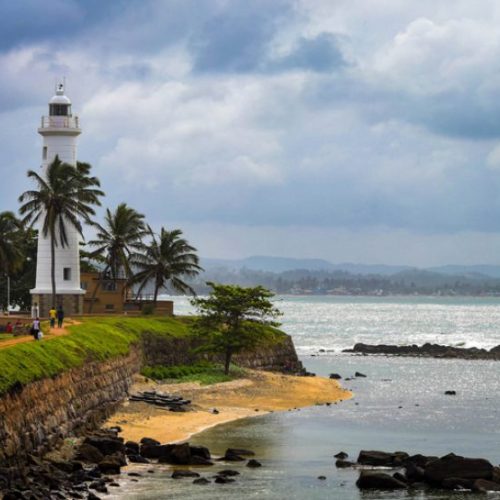
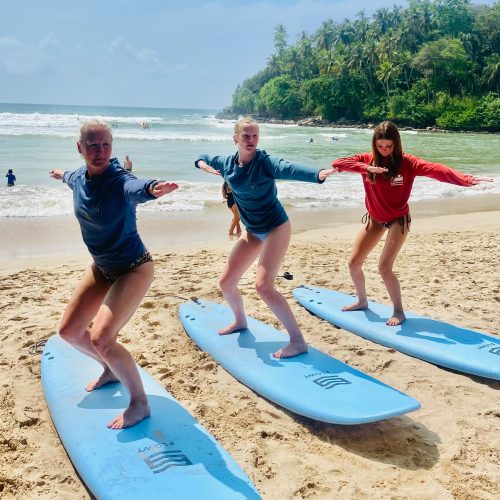
South & West Coasts + Hill Country (Galle, Mirissa, Ella, Kandy): Best from December to April.
East Coast & North (Trincomalee, Arugam Bay, Jaffna): Best from May to September.
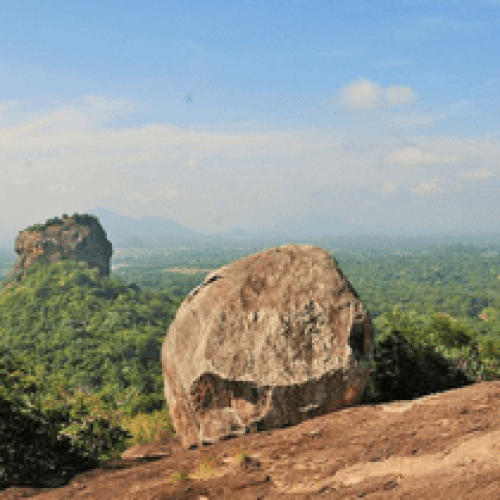
Cultural Triangle (Sigiriya, Dambulla, Polonnaruwa): Dry and favorable almost year-round.
Q: How long should I spend in Sri Lanka for a first trip?
Answer: A 10-to-14-day trip is ideal to cover the classic highlights: the Cultural Triangle, Hill Country tea plantations, a wildlife safari, and south coast beaches.
A 7-day trip works for a focused region (e.g., South Coast + Hill Country).
Q: How do I book the famous scenic train from Nuwara Eliya to Ella?
Answer: Reserved seats (1st and 2nd class) open 30 days in advance and sell out quickly. It is best to book tickets early through a licensed travel agent or tour operator.
Unreserved tickets can be bought at the station on the day of travel, though seating is not guaranteed.
Q: Is it better to hire a private driver or take public transport?
Answer: Hiring a private vehicle with an English-speaking driver is the most comfortable and efficient way to explore the island, especially for tight schedules or family travel.
Buses and trains are affordable and scenic, but take longer and can be crowded during peak hours.
Q: What should I wear when visiting temples and religious sites?
Answer: Shoulders and knees must be covered. Shoes, hats, and caps must be removed before entering temple grounds. White or light-colored clothing is preferred, especially at Buddhist sacred sites like the Temple of the Tooth or Sigiriya Dambulla complex.
Q: Are there specific etiquette rules regarding photography?
Answer: Never pose with your back turned directly toward a Buddha statue (it is considered disrespectful). Always ask permission before photographing local monks, fishermen, or tea plantation workers.
Q: Can vegetarian, vegan, or halal dietary needs be accommodated?
Answer: Yes. Traditional Sri Lankan cuisine relies heavily on rice, coconut milk, lentils (dhal), and vegetables, making vegetarian and vegan dining widely available.
Halal food is common across major cities and coastal resorts.
Q: Which national park is best for a wildlife safari?
Answer:
Yala National Park: Best for high leopard density and sloth bears.
Minneriya / Kaudulla National Park: Famous for “The Gathering” of hundreds of wild elephants (best from July to October).
Udawalawe National Park: Excellent year-round elephant sightings with fewer crowds.
Wilpattu National Park: Ideal for dense forest scenery, leopards, and birdwatching.